The First Slovenian Women Architects Featured in an International Publication on Architectural History
Drawing on research conducted for the major exhibition Slovenian Women Artists 1850–1950, presented at Jakopič Gallery and the City Museum of Ljubljana in 2023/2024, curators Ana Porok and Barbara Savenc have contributed biographical entries on Slovenia’s first women architects to a new international scholarly publication exploring questions of gender and space in architecture.
The exhibition Slovenian Women Artists 1850–1950 highlighted the fact that women were largely excluded from formal education until the end of the First World War. In the field of architecture, the first female students enrolled at the Department of Architecture of the Technical Faculty in Ljubljana only after 1925, at a time when both Plečnik’s and Vurnik’s schools were already established in the city.
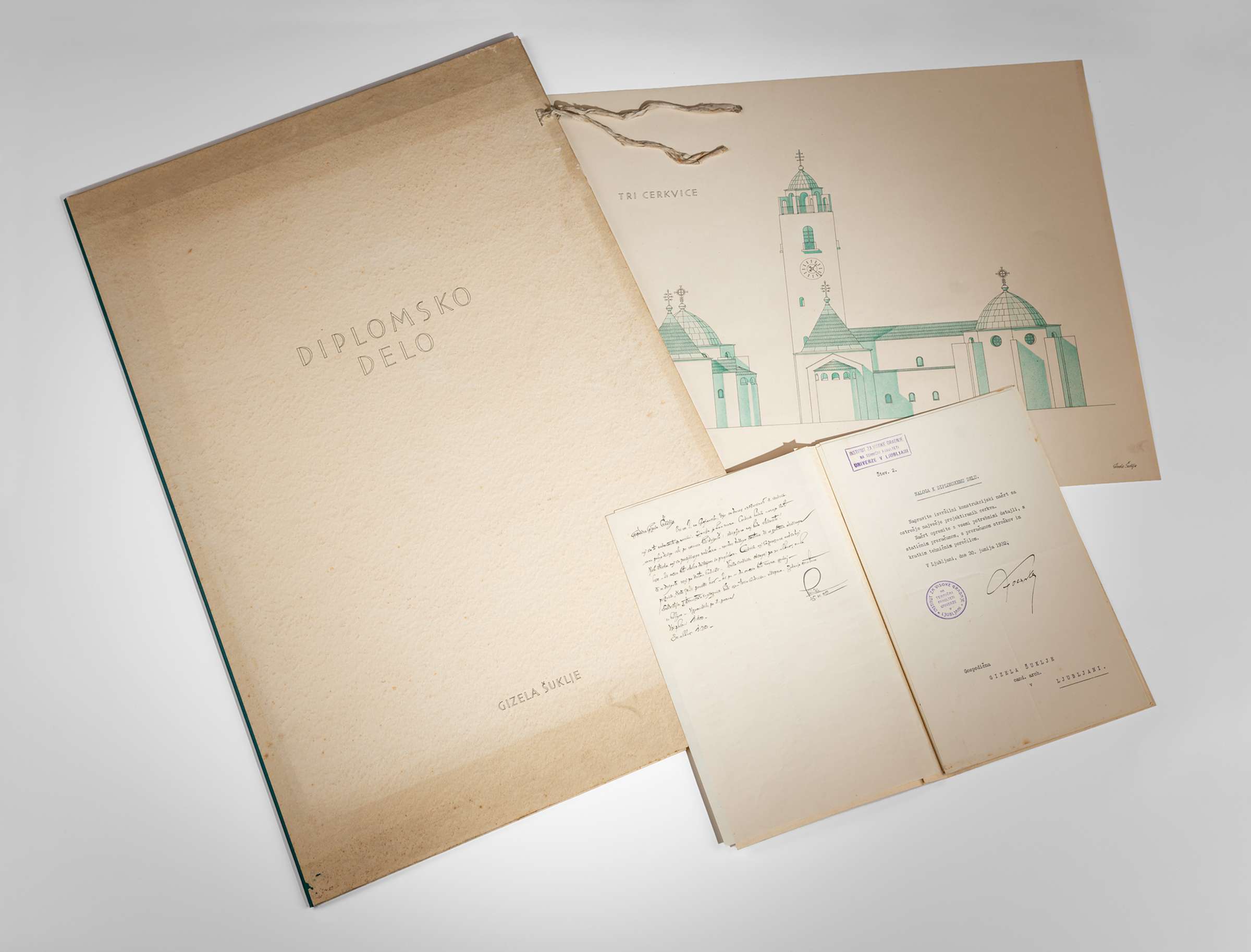
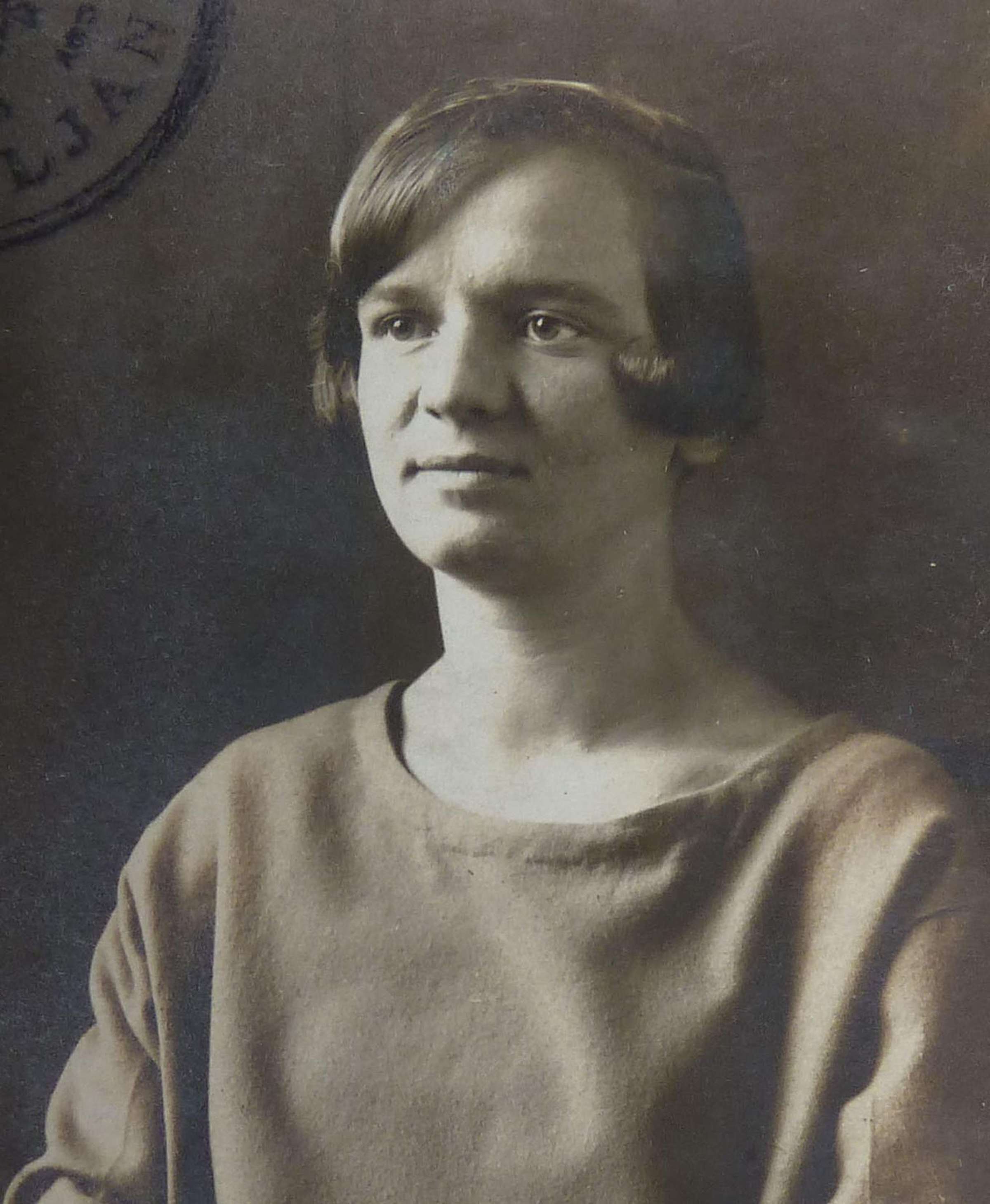
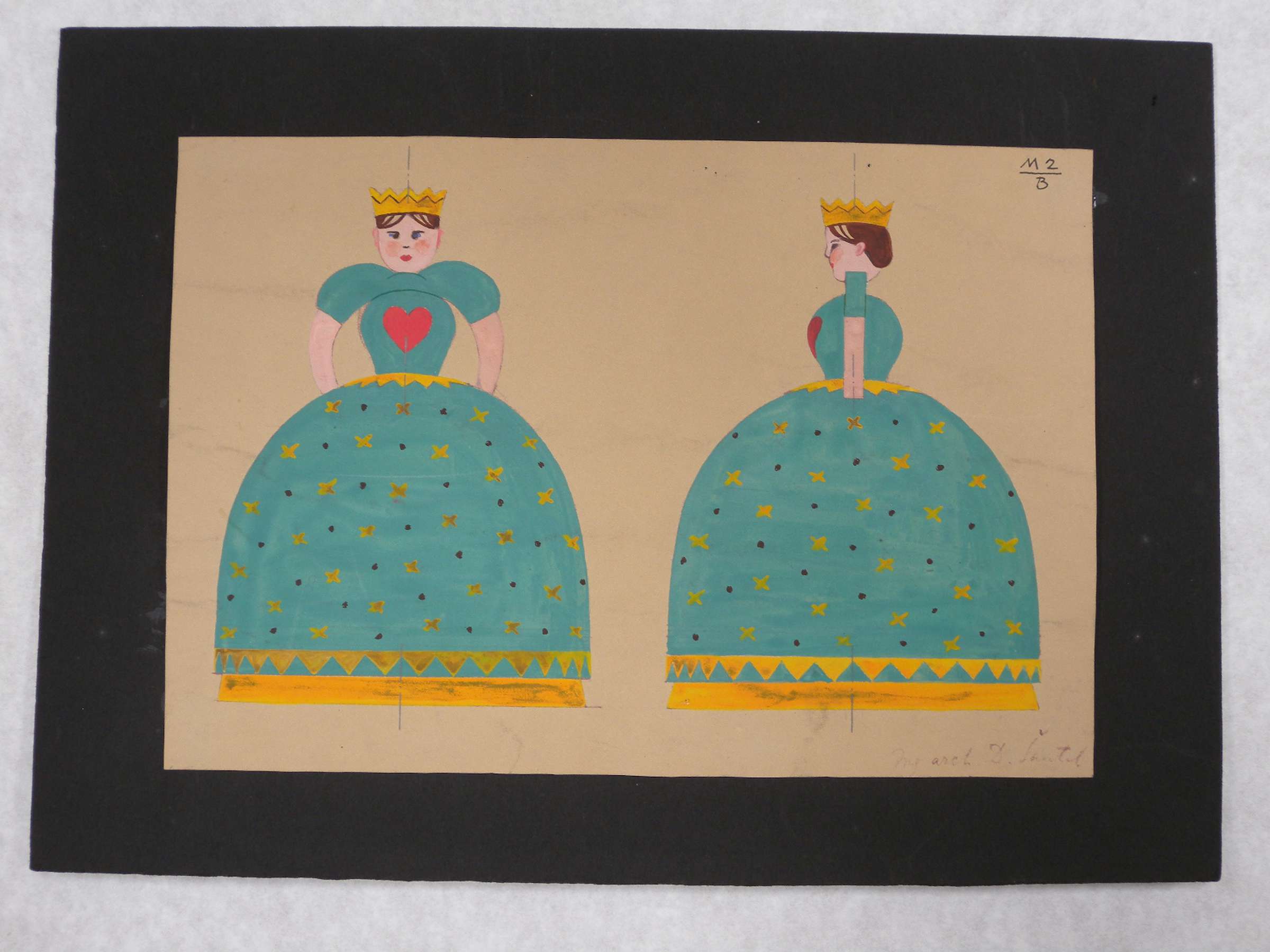
The first Slovenian woman architect, Dušana Šantel Kanoni, graduated under Professor Ivan Vurnik in March 1932. Later that same year, Gizela Šuklje became the first female graduate of Plečnik’s School. In the years that followed, Marjanca Kanc, Katarina Grasselli, Marija Grafenauer, Majda Neřima and Sonja Batista also graduated, while Vladimira Bratuž completed her studies after the Second World War.
Based on this research, curators Ana Porok and Barbara Savenc were invited by editor Thomas Moser to contribute biographical essays in connection with the international conference Why Have There Been No Great Women Architects? Feminist Perspectives on Gendered Spaces in Modern Architecture and Art History.
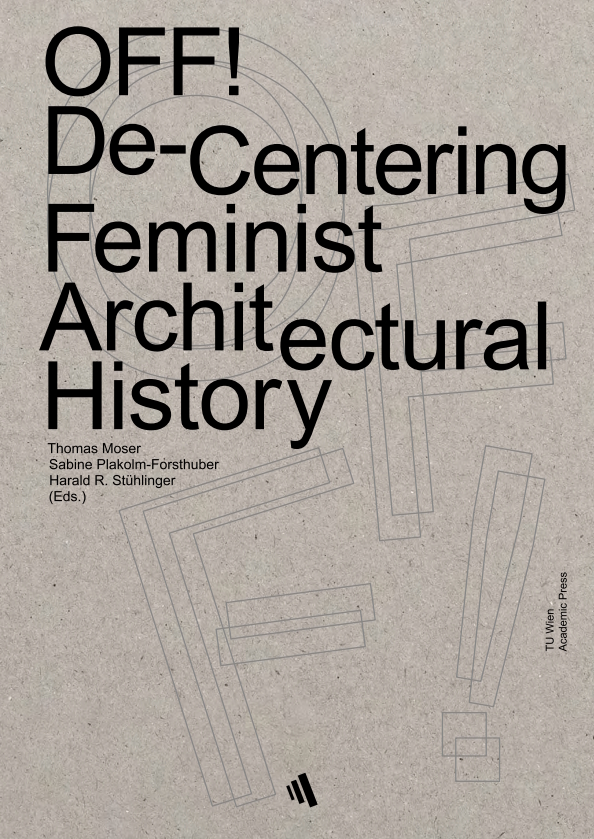
In the publication OFF! De-Centering Feminist Architectural History, they present the pioneers of Slovenian architecture, Dušana Šantel Kanoni and Gizela Šuklje. The volume includes 27 short biographies of women architects, alongside a range of scholarly contributions examining the role of women in architecture and offering reflections on space from diverse, including less established, perspectives.
Freely available in digital format, the publication represents an important contribution to a broader and more inclusive understanding of architectural history.